
Blood Orange Margarita Recipe: A Vibrant Twist on the Classic
A standard margarita is citrus-forward and clean. A blood orange margarita is citrus-forward and complex—the same tequila-lime-sweetener architecture, but with an ingredient that brings berry notes, deeper color, and a slightly lower acidity that makes the drink feel rounder without losing its brightness. The color alone, a deep ruby-red that bleeds into the salted rim, is enough to make it the most photographed drink at any gathering.
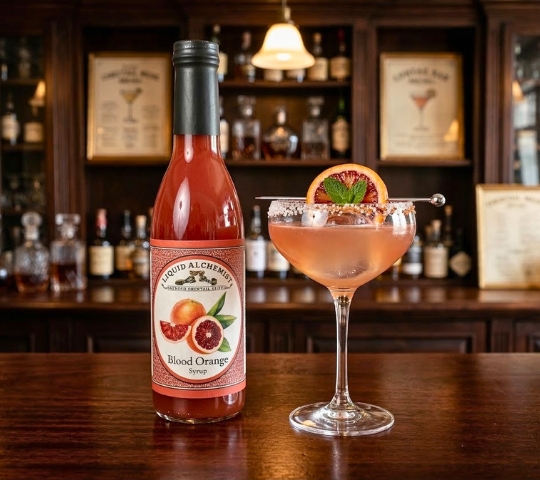
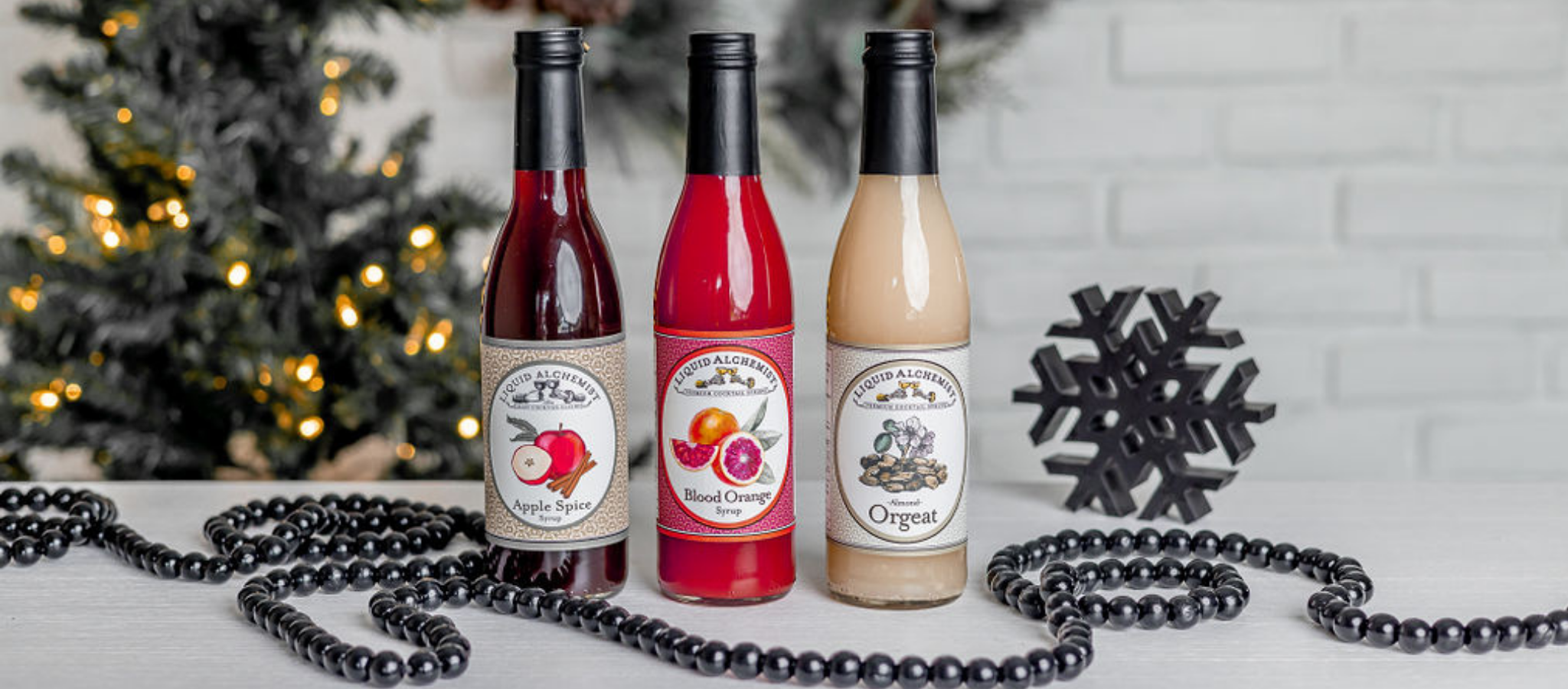
Liquid Alchemist Blood Orange delivers that color and complexity at a controlled measure, which means the berry-citrus profile stays consistent regardless of what’s in season at the grocery store. Below is the full recipe, the science behind what makes blood oranges different, and every variation worth building.
What Makes Blood Oranges Different
Blood oranges owe their color and flavor to anthocyanins—antioxidant pigments more commonly found in berries and grapes than in citrus. As University of Florida’s IFAS research on blood orange anthocyanins documents, these compounds develop only under specific temperature conditions: warm days followed by cool nights below 59°F, which is why Sicilian and California Central Valley blood oranges develop more pronounced flavor profiles than those grown in consistently warm climates.
The flavor difference is direct. Regular oranges contain carotenoids but no anthocyanins, producing a clean sweet-tart citrus profile. Blood oranges carry both—the citrus brightness plus berry-like secondary notes that read as raspberry or pomegranate depending on the variety. In a margarita, that added complexity works because the tequila’s agave character engages the anthocyanin compounds in a way that simple citrus doesn’t offer.
Three Blood Orange Varieties and What They Taste Like
-
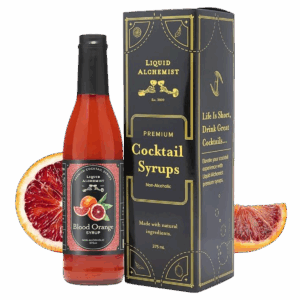
Blood Orange Cocktail Syrup
$15.99
$11.99 Shop Now This product has multiple variants. The options may be chosen on the product page
The three main varieties produce meaningfully different flavor profiles in a cocktail context.
- Moro, the most intensely colored, has the strongest raspberry notes and a tart finish—best for cocktails where bold flavor and maximum color are the goal.
- Tarocco, the sweetest and least acidic, has delicate floral notes and the most balanced flavor profile—better for lighter, spritz-adjacent builds.
- Sanguinello sits between the two: mild berry flavor, medium acidity, and good juice yield. Most blood orange syrups are made from Moro or a blend, which is why the color runs deep and the berry note is reliably present.
The Recipe
This version follows the classic margarita framework—2:1:1 ratio adjusted for blood orange—with the syrup replacing both the triple sec and any added sugar, simplifying the build without losing complexity.
Ingredients (serves 1):
- 2 oz blanco tequila (100% agave)
- ¾ oz fresh lime juice
- ½ oz Liquid Alchemist Blood Orange
- ¼ oz Cointreau or triple sec
- Chili-salt rim (Tajín or equal parts kosher salt and chili powder)
Rub a lime wedge around the rim of a rocks glass, then roll in chili salt. Combine tequila, lime juice, blood orange syrup, and Cointreau in a shaker with ice. Shake for 10–12 seconds. Strain over a large ice cube in the prepared glass. Garnish with a dehydrated blood orange wheel and expressed lime peel.
Blood Orange Margarita vs the Rest
Version | Sweetener | Citrus Profile | Color | Complexity |
Classic Margarita | Triple sec / agave | Lime only | Clear/pale yellow | Clean, simple |
Blood Orange Margarita | Blood orange syrup + Cointreau | Lime + berry-citrus | Deep ruby red | Layered, complex |
Strawberry Margarita | Strawberry syrup | Lime + berry | Pink | Fruit-forward, sweet |
Spicy Margarita | Agave + habanero | Lime only | Clear | Heat-forward |
Blood Orange Spicy | Blood orange + habanero | Lime + berry-citrus | Deep red | Maximum complexity |
Frozen Blood Orange | Blood orange syrup | Lime + berry-citrus | Deep red slush | Smooth, diluted |
Tequila Selection: Blanco vs Reposado
Blanco tequila is the standard choice for margaritas—its clean agave character lets the blood orange lead without competing barrel notes. The citrus-forward build reads brightest with an unaged spirit.
Reposado shifts the drink’s register. Its oak aging adds vanilla and caramel notes that interact with the blood orange’s berry character, producing a warmer, more complex result that works particularly well in the spicy variation below. As Serious Eats’ margarita technique guide notes, the tequila’s proof and character are the dominant variables in a margarita—investing in a quality 100% agave bottle produces a noticeably better drink at the same recipe.
The Spicy Blood Orange Variation
Liquid Alchemist Spicy Habanero at ¼ oz alongside the blood orange syrup creates the most complex version of this drink—the habanero’s fruity, floral heat engages the blood orange’s berry notes rather than simply sitting on top of them. Habanero and blood orange share aromatic compound bridges that make the combination taste integrated rather than layered.
Reduce the blood orange syrup to ¼ oz when adding the habanero measure to keep the sweetness calibrated. The chili-salt rim becomes essential rather than optional in this version—the salt and heat at the entry point prime the palate for both the berry and the spice in the glass. Serve over a large ice cube rather than crushed; the slower dilution extends the drink’s heat progression.
Pitcher Version (Serves 8)
Blood orange margaritas batch cleanly—the syrup holds its flavor over refrigeration and the color deepens slightly overnight, which improves rather than degrades the presentation.
Ingredients:
- 16 oz blanco tequila
- 6 oz fresh lime juice
- 4 oz Liquid Alchemist Blood Orange
- 3 oz Cointreau
- 4 oz cold water (replaces dilution from shaking)
Combine all ingredients in a pitcher and refrigerate up to 24 hours. Stir before serving. Pour over ice in chili-salt rimmed glasses. The cold water substitution is important—without it, the batch will taste slightly spirit-forward because individual shaking would normally dilute each drink by approximately ½ oz. For more tequila-forward builds and margarita technique, grab our free cocktail guide.
Rim Variations
The rim isn’t a garnish—it’s the first flavor the drinker encounters, which means it needs to work with the blood orange’s profile rather than against it.
Tajín is the most complementary choice: chili, lime, and salt that mirrors the drink’s own citrus-heat-acid balance.
Smoked salt adds depth without heat, which works better alongside reposado tequila than the standard chili rim.
Salt and sugar combined softens the drink’s entry point and suits the Tarocco variety’s floral character. Plain kosher salt is the minimalist option—it suppresses bitterness and amplifies sweetness without adding flavor of its own.
The Color That Earns Its Place
Most cocktail colors come from artificial dye or grenadine. Blood orange’s ruby-red is anthocyanin—the same antioxidant compound found in blueberries, red grapes, and pomegranates, derived from a citrus that only produces it under specific growing conditions. The color is a flavor signal, not a styling choice.
The Liquid Alchemist Best Seller Sample pack includes Blood Orange, along with a few other margarita-ready syrups for the full range of builds. Use code TRYUS for 25% off plus free shipping on your first order.
FAQs
What does a blood orange margarita taste like?
It tastes like a classic margarita with an added layer of berry complexity—citrus-forward and tart, with a raspberry or pomegranate-adjacent note that comes from blood orange’s anthocyanin compounds. The flavor is less acidic than a standard lime-and-orange margarita, making it feel rounder without losing the drink’s characteristic brightness. The color, a deep ruby-red, is a visual signal of the flavor difference rather than just an aesthetic choice.
Are blood oranges sweeter than regular oranges?
Blood oranges are generally less sweet and slightly less acidic than standard navel or Valencia oranges. Their berry notes come from anthocyanins rather than added sweetness, which is why they integrate into a margarita more naturally than, say, navel orange juice would—they add complexity without pushing the drink sweet. The Tarocco variety is the sweetest of the three main types; Moro is the most tart and most intensely flavored.
What tequila works best for a blood orange margarita?
Blanco tequila is the standard choice—its clean agave profile lets the blood orange’s berry notes lead. Reposado adds oak, vanilla, and caramel complexity that works particularly well in the spicy version. Avoid heavily aged añejo tequila, which tends to compete with rather than support the citrus-berry profile. In all cases, 100% agave tequila produces a noticeably cleaner result than mixto.
Can I use bottled blood orange juice instead of syrup?
Bottled blood orange juice works but introduces inconsistency—sugar content and acidity vary significantly between brands and seasons, which shifts the margarita’s balance batch to batch. Blood orange syrup provides concentrated flavor at a precise measure (½ oz rather than 2 oz of juice), which means the drink’s sweetness and citrus profile remain consistent regardless of what’s on the shelf. When using fresh blood orange juice in season, reduce or eliminate the Cointreau since the juice adds its own sweetness.
When are blood oranges in season?
Blood oranges are a winter citrus, typically available from December through March in the Northern Hemisphere. Peak season—January through early March—produces the most intensely colored and flavored fruit, with anthocyanin concentrations up to 30% higher than early-season varieties. Outside this window, fresh blood oranges are difficult to source; blood orange syrup provides the flavor profile year-round without depending on seasonal availability.
How do I make a frozen blood orange margarita?
Blend 2 oz tequila, ¾ oz fresh lime juice, ½ oz blood orange syrup, ¼ oz Cointreau, and 1 cup of ice until smooth. The frozen version dilutes the drink significantly—increase the blood orange syrup to ¾ oz to compensate for the flavor loss from ice dilution. Serve immediately in a chili-salt rimmed glass; the color fades as the drink warms, so presentation is best in the first five minutes.
What foods pair well with a blood orange margarita?
The blood orange’s berry-citrus profile and the drink’s chili-salt rim make it a natural companion to spiced and fatty foods—tacos al pastor, carnitas, grilled shrimp with chili butter, or ceviche. The drink’s acidity cuts through fat and richness effectively. For lighter pairings, charcuterie with sharp cheese and dried fruit bridges the berry notes. Chocolate desserts, particularly dark chocolate, share the anthocyanin compound profile with blood orange and make a surprisingly coherent after-dinner pairing.