
Hurry—our Last Minute Stocking Stuffer Sale is your final chance to get 30% off and free shipping on orders over $35! Order by 12/14 to ensure delivery just in time for Christmas Eve. Don’t miss out on these festive favorites!

Navy Grog is one of those drinks that carries real history in the glass. It started as a rationed naval drink, got reinvented by the founders of tiki culture, and has remained on craft cocktail menus ever since — because the combination of multi-rum depth, citrus brightness, and spiced sweetness is genuinely hard to improve on. Liquid Alchemist Almond Orgeat and Falernum are the two syrups that make the home version as good as the bar version.
The history behind the drink is worth knowing. The chemistry behind why it works is worth understanding.
The name traces directly to the British Royal Navy. In 1740, Vice Admiral Edward Vernon ordered sailors’ rum rations to be diluted with water to reduce drunkenness and maintain shipboard discipline — that watered-down ration became known as “grog,” named after Vernon’s nickname, Old Grog, a reference to his grogram coat.
The drink that sailors consumed had little in common with what bartenders serve today. But the naval association stuck, and when tiki culture emerged a century later, the name gave the cocktail an edge of maritime authenticity that fit perfectly alongside the escapist aesthetic of mid-century tiki bars.
The modern Navy Grog was created by Donn Beach — Don the Beachcomber — one of the founding figures of American tiki culture in the 1940s and 1950s, as documented in the Navy Grog’s Wikipedia history. Beach took the naval concept and rebuilt it entirely: multiple rum styles, citrus juices, and layered sweeteners replaced the simple rum-water ration with something complex, tropical, and deeply satisfying.
Beach’s key insight was that blending rum styles created more interesting cocktails than single-spirit pours. A lighter rum for lift, a darker or Jamaican rum for body and funk — the combination produces a flavor depth that neither rum achieves alone. The Navy Grog became one of his signature drinks and remains a benchmark of the tiki canon.
Rum is produced by fermenting sugarcane byproducts such as molasses, followed by distillation and aging, processes that MDPI research on rum production identifies as the primary drivers of its flavor profile. The fermentation stage is particularly significant — the length and conditions of fermentation directly influence the concentration of esters and other aromatic compounds in the final spirit.
Compound Chemistry’s analysis of rum’s flavor explains that rum contains a range of aromatic compounds including esters, phenolics, and woody lactones, which contribute fruity, spicy, and vanilla-like notes respectively. This chemical complexity is why blending rum styles works so well — each brings a different compound profile, and the combination creates a layered drink that a single spirit cannot produce on its own.
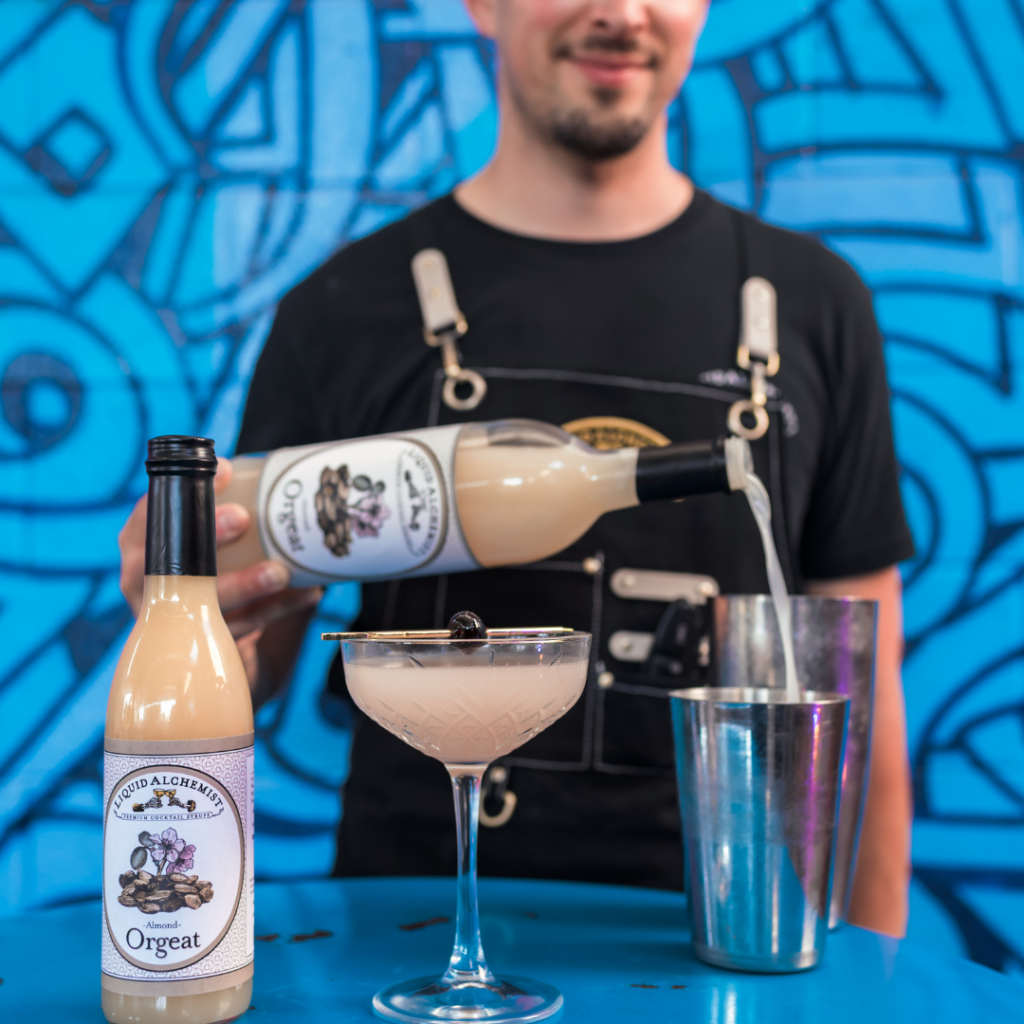
Almond Orgeat is a traditional tiki staple — sweet almond syrup with a faint floral note from orange flower water that adds body and mouthfeel to any rum cocktail. In a Navy Grog, it balances the citrus acidity and softens the multi-rum intensity without flattening the drink’s character. Liquid Alchemist’s version is made from real almond milk, cane sugar, and natural ingredients — the genuine almond depth that artificial alternatives cannot replicate.
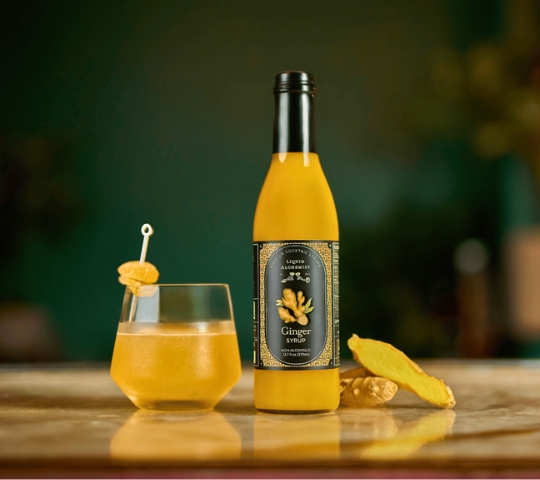
Falernum is the ingredient most home bartenders skip and most professional tiki bars consider non-negotiable. A syrup of lime, ginger, almond, and clove, it introduces a spiced complexity that ties the drink’s citrus and rum elements together. A small measure goes a long way — too much and the clove takes over, too little and the drink loses its tiki backbone. Used correctly alongside orgeat, it is what separates a Navy Grog from a glorified rum punch.
Liquid Alchemist | Commercial Alternatives | |
Ingredients | Real almonds, cane sugar, natural flavors | Artificial flavoring, high-fructose corn syrup |
Almond base | Made with almond milk | Synthetic benzaldehyde only |
Falernum spice | Real lime, ginger, clove | Artificial flavoring blend |
Mouthfeel | Rich, buttery body from natural fats | Thin, one-dimensional sweetness |
Consistency | Calibrated for cocktail use | Variable sweetness levels |
Shelf life (opened) | Up to two months refrigerated | Often contains preservatives |
The difference is most apparent in the finish. Natural ingredients produce a flavor that evolves in the glass — commercial versions typically taste correct for one sip and then fade into sweetness without complexity.
Combine all ingredients in a shaker with ice. Shake vigorously for 10–12 seconds — the citrus needs the aeration that stirring will not deliver. Strain into a rocks glass or tiki mug over crushed ice. Add garnish and serve immediately. Crushed ice is not decorative here: it controls dilution and chills the drink at the right rate for the level of sugar and citrus involved.
If you want more techniques for building tiki cocktails and working with layered syrups, grab our free cocktail guide for a full breakdown.
Citrus in a Navy Grog does more than add sourness — it cuts through the richness of orgeat and falernum, preventing the drink from sitting heavy on the palate. The grapefruit component in particular introduces a mild bitterness that balances the rum’s sweetness and the syrups’ body. Without it, a multi-rum, multi-syrup cocktail collapses into something cloying. Lime and grapefruit also perform different roles: lime delivers sharp, clean acidity that brightens the rum, while grapefruit contributes a softer tartness with a slightly pithy finish that anchors the drink’s length.
Fresh juice matters here more than in most cocktails. Bottled citrus lacks the volatile aromatic compounds that fresh grapefruit and lime carry — compounds that evaporate quickly once the fruit is cut. In a drink this precisely balanced, the difference is immediate and not subtle. Squeeze to order rather than juicing in advance, and if you are batching for a group, add the citrus no more than 30 minutes before serving. The syrups hold; the citrus does not.
The Navy Grog has survived two centuries of reinvention because its logic is sound: complex spirit, acidic citrus, layered sweeteners. Each element has a job, and none is interchangeable. What changed between 1740 and the tiki era was not the concept — it was the quality and intention behind every ingredient in the glass.
That standard is easy to meet at home when the syrups are built for it.
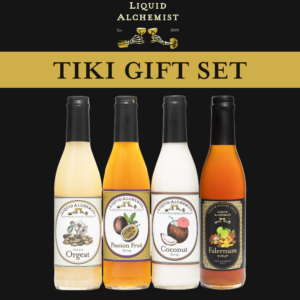
Pick up Liquid Alchemist Almond Orgeat and Falernum individually, or get both plus Coconut and Passion Fruit in the Tiki Cocktail Syrup Gift Set — the complete tiki bar starter in one order. Use code TRYUS for 25% off plus free shipping on your first order. For more recipes, grab our free guide.
Navy Grog is a rum-based tiki cocktail created by Donn Beach in the mid-20th century, built on a blend of multiple rum styles, citrus juices, and layered sweeteners including orgeat and falernum. It takes its name from the watered-down rum ration issued to British Royal Navy sailors beginning in 1740.
Blending different rum styles — typically a lighter rum alongside a darker or Jamaican rum — produces a more layered flavor than a single spirit can achieve. Each rum brings a different aromatic compound profile, and the combination creates a depth that defines classic tiki cocktails.
Falernum is a spiced syrup made from lime, ginger, almond, and clove. It introduces a warm, botanical complexity that bridges the drink’s citrus and rum elements. Used in small quantities, it is the ingredient that separates a proper tiki Navy Grog from a simpler rum-citrus punch.
Yes. The overproof rum adds depth and a proof boost, but the drink works well at two rums. Stick with the white rum and Jamaican or dark rum base and adjust the orgeat slightly upward to compensate for the loss of body.
Orgeat is primarily almond-based — sweet, nutty, and faintly floral from orange flower water. Falernum is spiced, combining lime, ginger, clove, and almond into a more aromatic, complex profile. They serve complementary roles in a Navy Grog: orgeat adds body and sweetness, falernum adds structure and spice.
Crushed ice is traditional and functional. It chills the drink rapidly and dilutes at a controlled rate that suits the high sugar and citrus content of the cocktail. Large cubed ice will melt more slowly and leave the drink less diluted, which can make a multi-syrup cocktail taste heavy.
Premium orgeat is made from real almonds, which contribute natural fats that create a buttery mouthfeel and genuine almond flavor. Commercial versions typically rely on synthetic benzaldehyde for almond taste, producing a flat, one-dimensional sweetness that lacks the body and complexity of an almond-based syrup.

Hurry—our Last Minute Stocking Stuffer Sale is your final chance to get 30% off and free shipping on orders over $35! Order by 12/14 to ensure delivery just in time for Christmas Eve. Don’t miss out on these festive favorites!
Get notified about new articles

Margarita Day Special
25% Off Prickly Pear, Blood Orange, Passion Fruit, Peach, Tamarindo, Strawberry, & Mango February 22 only
Kick off the new year with our Dry January Sale! From 12/27-1/15, enjoy 25% off on all featured flavors in our Dry & Damp Cocktail Guide, perfect for crafting delicious non-alcoholic and low-ABV drinks to help you start the year refreshed and on trend!
CODE: SMBIZ
CODE: BLKFRI