
Hurry—our Last Minute Stocking Stuffer Sale is your final chance to get 30% off and free shipping on orders over $35! Order by 12/14 to ensure delivery just in time for Christmas Eve. Don’t miss out on these festive favorites!

The Creamsicle has been a fixture of American summers since 1937. As TODAY.com’s orange cream trend report documents, the flavor is experiencing a full resurgence across food and beverage categories. The cocktail version earns its place in that revival not by approximating the original but by improving on it—vanilla softens, citrus sharpens, and cream rounds everything into something that tastes like a memory and drinks like a proper cocktail.
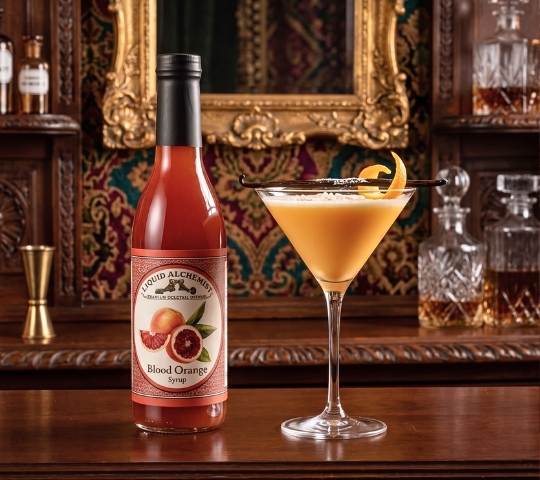
Liquid Alchemist Blood Orange replaces plain orange juice as the citrus backbone—its berry notes bridge vanilla in a way navel orange can’t, and the deeper color turns the pale martini into something far more visually striking.
sugar content pushes vanilla to the background. As University of Florida’s IFAS research on anthocyanins documents, blood orange’s berry compounds act as a bridge between citrus and vanilla in cream-based cocktails, producing a cohesive layered flavor rather than a simple orange-and-sweet combination.
Navel orange juice produces a pale, almost beige cocktail. Blood orange syrup produces a deep amber-rose shade that reads as indulgent before the first sip.
This version uses vanilla vodka as the base—it carries the vanilla through the entire drink rather than relying on cream alone—and half-and-half for a texture that’s rich without being heavy.
Combine all ingredients in a shaker with ice. Shake vigorously for 12–15 seconds—longer than a standard shake, because the cream needs mechanical agitation to emulsify properly with the citrus. Double-strain into a pre-chilled coupe or martini glass. Garnish with an orange zest twist and a light dusting of vanilla powder or cinnamon.
Element | Generic Orange Syrup | Liquid Alchemist Blood Orange |
Base ingredient | Artificial flavor or concentrate | Real cane sugar + natural blood orange |
Color | Pale orange or artificial red | Deep natural ruby-amber |
Flavor | One-dimensional sweetness | Berry-citrus complexity + depth |
Sugar type | High-fructose corn syrup | Real cane sugar |
Cream integration | Sits on top of flavor | Bridges vanilla and citrus |
Consistency | Variable batch to batch | Calibrated, consistent measure |
The functional difference shows in the glass—not just flavor but texture and visual impact. A syrup built on real fruit behaves differently in emulsification than one built on artificial flavoring, because the natural pectin and flavor compounds interact with the cream’s fat in a way that concentrate-based syrups don’t.
Cream-based cocktails require understanding what dairy does to flavor as much as to texture. Heavy cream (36–40% fat) produces a rich, silky result but can mute the citrus components—the fat coats the palate and reduces the blood orange’s brightness. Half-and-half (10–18% fat) provides enough creaminess to round the vodka’s spirit edge without suppressing the citrus. Whole milk produces the lightest result—still creamy on the finish but with maximum citrus clarity.
The lemon juice in this recipe serves a structural purpose beyond flavor: its acidity prevents the cream from curdling when it contacts the vodka. This is the technical detail most recipes omit. Without an acid component, citrus martinis with cream can split in the shaker—the result is still safe to drink but unpleasant in texture. A quarter-ounce of lemon juice is sufficient to stabilize the emulsion without registering as a lemon flavor note.
Blend all recipe ingredients with 1 cup of crushed ice until smooth. Pour into a chilled coupe. Increase blood orange syrup to ¾ oz to compensate for flavor dilution. Top with whipped cream and an orange zest twist. The frozen version is the most direct analog to the original Creamsicle bar and works particularly well for summer entertaining.
Replace half-and-half with Liquid Alchemist Coconut at ¼ oz alongside 1 oz oat milk. The coconut syrup’s medium-chain fatty acids replicate the mouthfeel function of dairy fat while adding a subtle tropical note that complements the blood orange’s berry character. Use the same lemon juice measure—the acid stabilization requirement applies equally to plant-based alternatives.
Pour 1 oz vanilla vodka and ½ oz blood orange syrup over ice in a tall glass. Top with 3 oz cream soda and a scoop of vanilla ice cream. The ice cream float format is the most literal interpretation of the original Creamsicle and the most straightforward party version—no shaking required, scales to any crowd size, and the visual of ice cream melting into an orange drink is its own presentation. For more dessert cocktail builds and entertaining technique, grab our free cocktail guide.
The two names are used interchangeably in cocktail culture, but they originated as distinct products.
In cocktail terms, the distinction translates to heavy cream (Creamsicle-adjacent) versus half-and-half or oat milk (Dreamsicle-adjacent). Both are correct; the choice determines the richness register of the drink.
A nostalgia-driven drink earns its reputation when it actually delivers the memory it promises—not just the flavor description but the feeling. The orange-vanilla-cream combination does that consistently, which is why it’s resurging across every food category simultaneously and why the cocktail version has become a fixture on dessert menus.
The Best Seller Sample Pack includes Blood Orange and the core Liquid Alchemist range—the right starting point for anyone building a home bar around natural fruit syrups. Use code TRYUS for 25% off plus free shipping on your first order.
It tastes like the frozen Creamsicle bar in liquid form—bright orange citrus on entry, vanilla cream in the mid-palate, and a slightly sweet, smooth finish. The spirit’s warmth adds a dimension the frozen original doesn’t have, making it feel more complex than its dessert framing suggests. A blood orange base deepens the citrus with berry notes that round the vanilla more completely than plain orange juice.
Vanilla vodka is the most direct choice—it carries vanilla through the entire drink rather than relying on cream or syrup alone. Whipped cream vodka produces a sweeter, more dessert-forward result that suits the frozen and float variations. Plain vodka works in all versions but produces a slightly thinner flavor profile since the vanilla contribution comes only from the cream element. In all cases, a clean, neutral base vodka—not a harsh bottom-shelf spirit—produces a noticeably better result.
Creamsicle is a trademarked brand name (Unilever/Good Humor) for a vanilla ice cream core coated in orange sherbet. Dreamsicle refers to a lighter version using vanilla ice milk rather than full-fat ice cream. In cocktail applications, the distinction translates to richness: a Creamsicle-inspired martini uses heavy cream or half-and-half for the richer profile; a Dreamsicle-inspired version uses whole milk or a plant-based alternative for a lighter result. Both flavor profiles—orange, vanilla, cream—are identical.
Yes. Replace the half-and-half with 1 oz oat milk and ¼ oz coconut syrup. The coconut syrup’s fat content approximates the mouthfeel of dairy, and its natural flavor complements rather than competes with the blood orange’s berry notes. Keep the lemon juice measure identical—the acid is still needed to stabilize the emulsion. The result is slightly lighter in body than the original but retains the orange-vanilla-cream profile.
Citric acid causes dairy proteins to denature—essentially the same reaction that occurs when you make yogurt or cheese, just uncontrolled. In cocktails, it happens when cream contacts high-acid citrus juice directly without a stabilizing agent. The quarter-ounce of lemon juice in this recipe paradoxically prevents curdling by pre-acidifying the mix at a controlled level before shaking, which allows the cream to emulsify smoothly rather than splitting on contact with the blood orange syrup’s natural acidity.
Yes. Blend all recipe ingredients with 1 cup crushed ice until smooth, increase the blood orange syrup to ¾ oz, and top with whipped cream. The frozen version is the most direct analog to the original Creamsicle and is particularly well-suited for summer entertaining—it requires no individual shaking, scales to any group size by multiplying ingredients, and the visual is self-explanatory as a dessert cocktail.
Yes, with one adjustment. Pre-combine vodka, blood orange syrup, Cointreau, and lemon juice and refrigerate up to 24 hours. Add the half-and-half per glass at service rather than to the batch—dairy in large-format batches can separate and change texture over time. Shake individual portions over ice before pouring. For the float variation, pre-mix the liquid components and add cream soda and ice cream per glass at service—this is the easiest large-group format.
An orange zest twist expressed over the glass provides the volatile oils that carry the citrus aroma to the nose before the first sip—the garnish functions as part of the flavor experience, not just the presentation. A dehydrated blood orange wheel on the rim adds visual depth and communicates the ingredient. For the frozen version, a rosette of whipped cream with an orange zest spiral dusted in vanilla powder or edible gold luster is the most visually striking option.

Hurry—our Last Minute Stocking Stuffer Sale is your final chance to get 30% off and free shipping on orders over $35! Order by 12/14 to ensure delivery just in time for Christmas Eve. Don’t miss out on these festive favorites!
Get notified about new articles
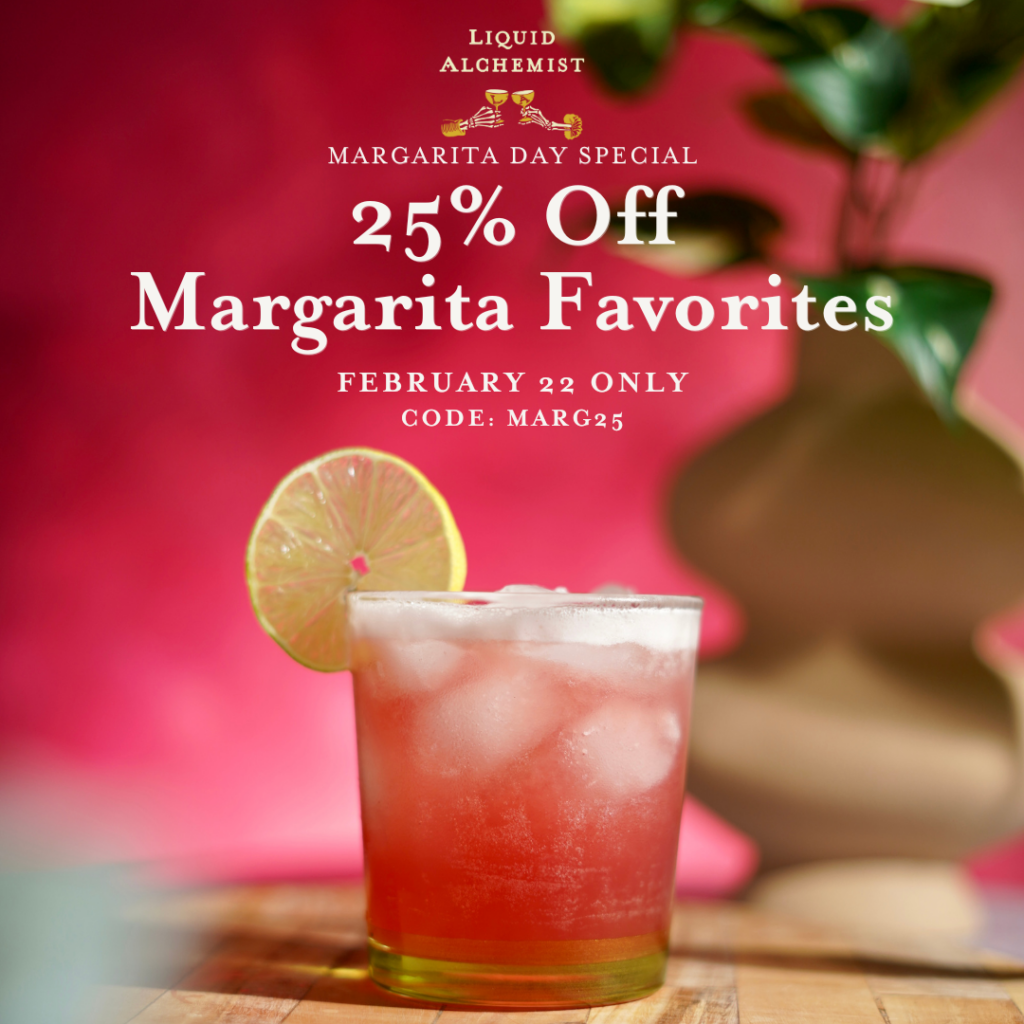
Margarita Day Special
25% Off Prickly Pear, Blood Orange, Passion Fruit, Peach, Tamarindo, Strawberry, & Mango February 22 only
Kick off the new year with our Dry January Sale! From 12/27-1/15, enjoy 25% off on all featured flavors in our Dry & Damp Cocktail Guide, perfect for crafting delicious non-alcoholic and low-ABV drinks to help you start the year refreshed and on trend!
CODE: SMBIZ
CODE: BLKFRI