
Hurry—our Last Minute Stocking Stuffer Sale is your final chance to get 30% off and free shipping on orders over $35! Order by 12/14 to ensure delivery just in time for Christmas Eve. Don’t miss out on these festive favorites!

The best version of a pineapple rum cocktail uses three ingredients. Rum, pineapple, lime—and the tension between them is what makes the drink work. Most recipes either overcomplicate it with coconut cream and fruit liqueurs until it becomes a piña colada, or undersell it as a splash of pineapple juice in a glass. Neither is what this drink actually is.
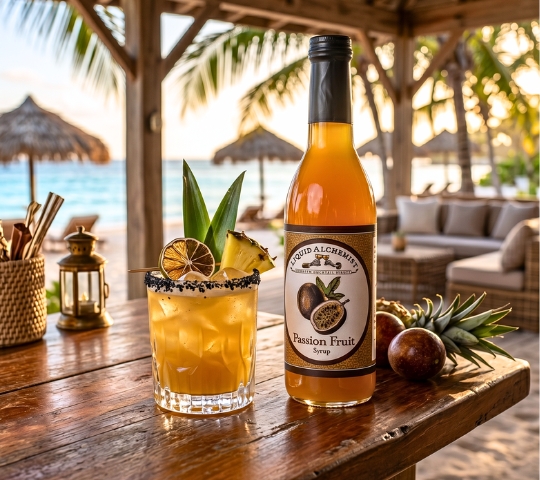
Liquid Alchemist Passion Fruit is the precision upgrade for a minimalist build—its tartness sits in the same aromatic frequency as pineapple, extending the tropical layer without adding juice volume or sweetness. Below is the full recipe, the history that makes this pairing centuries old, and the system for building every variation from the cleanest daiquiri to a richer tropical build.
The pineapple rum cocktail is a daiquiri at its core. The daiquiri formula—rum, citrus, sugar—is one of the most structurally sound templates in cocktail history, and pineapple’s dual nature as both a sweetener and an acid makes it uniquely suited to occupy two positions in that structure simultaneously.
As VinePair’s pineapple daiquiri recipe frames it, the addition of pineapple doesn’t fundamentally alter the drink—it completes it. The pineapple contributes tropical sweetness, a second layer of acidity, and the bromelain-driven textural softness that makes a shaken pineapple drink feel different from a citrus-only cocktail. The result requires less added sugar than a classic daiquiri because pineapple is doing the sweetener’s work.
This pairing isn’t a modern tropical trend. As documented by Got Rum Magazine, pineapple flavoring in rum dates to the colonial era—distillers soaked whole pineapples in barrels of rum as early as the 1700s, partly to mask the harsh flavor of crude cane spirit and partly as a practical substitute for limes in preventing scurvy on long voyages. The pineapple’s natural acidity and sugar content integrated into the rum over weeks of contact, producing a spirit with built-in tropical complexity.
Modern infused pineapple rums follow the same logic. The combination isn’t accidental—it’s one of the oldest documented flavor pairings in Caribbean spirits history, which is why it tastes as instinctively correct as it does.
This version is built on the daiquiri framework with one precision addition: passion fruit syrup alongside pineapple juice, contributing tart aromatic complexity without sweetening the drink further.
Combine all ingredients in a shaker with ice. Shake vigorously for 10–12 seconds. Double-strain into a chilled coupe. Garnish with a dehydrated pineapple slice or expressed lime peel.
Element | This Recipe | Classic Daiquiri | Piña Colada |
Base | White rum | White rum | White rum |
Sweetener | Pineapple + syrup | Simple syrup | Coconut cream |
Acid | Lime + pineapple | Lime only | Minimal |
Texture | Soft, clean | Sharp, bright | Thick, creamy |
Complexity | Tropical, tart | Crisp, pure | Rich, heavy |
Best served | Up or rocks | Up | Frozen |
Most fruit juices add sweetness and color to a cocktail. Pineapple adds something more specific. Its primary flavor compounds—sucrose, fructose, and citric and malic acids—provide both sweetness and acidity simultaneously, which is why it integrates into a rum-and-lime framework so naturally rather than tipping the drink sweet.
The bromelain enzyme, documented in PMC research on pineapple proteolytic compounds, creates a distinctive textural effect: a slight softness on the palate that comes from bromelain’s protein-cleaving activity. In a shaken cocktail, this produces a drink that feels rounder than citrus-only builds despite having equivalent acidity. Research on flavor pairing networks confirms that pineapple’s aromatic ester profile shares compound bridges with rum’s own fermentation esters, which is why the combination integrates rather than stacking as separate flavor notes.
The format of pineapple you use changes the drink’s character more than any other single variable.
Fresh or cold-pressed juice produces the brightest, most aromatic result—the volatile ester compounds that give pineapple its characteristic smell are present at maximum intensity and contribute meaningfully to the drink’s aroma on entry. It’s the highest-information-gain option but the least consistent, since pineapple’s sugar content varies significantly by ripeness and source.
Commercial pineapple juice is more consistent but flatter—most of the volatile aromatics are lost in processing, and the sugar content is standardized at a level that often runs sweet. If using commercial juice, reduce simple syrup to ¼ oz or eliminate it entirely.
Pineapple syrup provides the most controlled result—concentrated flavor at a precise measure, with the juice’s dilution effect removed. Used at ½ oz alongside the passion fruit syrup, it produces a drink with clean tropical intensity that doesn’t depend on the ripeness of the fruit you bought. Liquid Alchemist Passion Fruit functions on this same principle—tart tropical precision rather than the volume-and-dilution approach of juice.
White rum is the standard choice—its clean profile lets the pineapple register fully rather than competing with barrel notes. But rum selection produces meaningful variation even within the category.
A light-bodied filtered white rum (Bacardi, Brugal) produces a clean, almost neutral result where pineapple leads entirely. A more characterful unfiltered white rum (Denizen, Plantation 3 Star) contributes sugarcane brightness and subtle funk that adds depth to the tropical profile. An aged rum shifts the drink toward the Mai Tai’s territory—the barrel notes and pineapple create a richer, more complex interaction that works particularly well with the passion fruit variation.
Liquid Alchemist Coconut at ¼ oz in place of the simple syrup bridges this drink and the piña colada without reaching the latter’s creaminess. The coconut’s medium-chain fatty acids round the pineapple’s acidity slightly, producing a softer finish that’s more appropriate for warm-weather sipping than a sharp daiquiri build. For more rum cocktail builds and tropical technique, grab our free cocktail guide.
The absolute minimum build: 2 oz white rum, 2 oz pineapple juice, ¾ oz lime juice, shaken and strained. No syrup needed if the pineapple juice is ripe and sweet. No garnish required. This version takes three minutes, requires four ingredients, and tastes like a decision made on purpose rather than something assembled from whatever was available.
The Best Seller Sample Pack at $25 is the right starting point for building out a home bar with premium syrups—it covers the essential flavors for this cocktail and a dozen others. Use code TRYUS for 25% off plus free shipping on your first order.
Structurally, yes. The daiquiri formula—rum, citrus, sugar—is exactly what a pineapple rum cocktail follows, with pineapple functioning as both the sweetener and a secondary acid. The distinction matters because it tells you how to balance the drink: reduce added sugar based on the pineapple’s natural sweetness, and lean on lime for sharpness rather than adding more juice volume.
Juice adds volume, water, and variable sugar content alongside flavor. Syrup adds concentrated flavor and controlled sweetness at small measures without diluting the drink. For a minimalist build where every ingredient is load-bearing, syrup gives more precision—the same tropical intensity at ½ oz rather than 1½ oz, leaving more room for rum and lime to register clearly.
More than in complex drinks. With three or four ingredients, the rum is the dominant structural element—its character comes through clearly rather than being masked by multiple liqueurs. Light filtered rum produces a clean, pineapple-forward result. Funky unfiltered white rum adds sugarcane depth. Aged rum shifts the drink toward richer territory. All work; the choice determines which version you’re making.
Yes, and it produces a noticeably different drink. Dark rum’s molasses weight and barrel notes create a richer, more complex interaction with pineapple—closer to a jungle bird-adjacent build than a daiquiri. Reduce the pineapple juice slightly (to 1 oz) and add a dash of Angostura bitters to balance the added richness. The result is excellent but moves away from the minimalist, tropical-bright profile the white rum version delivers.
Pineapple juice contains bromelain, a protein-cleaving enzyme that creates a natural foam when agitated. This is the same mechanism that makes raw pineapple sting slightly on the tongue—the enzyme acts on proteins, including the ones in your mouth’s mucus lining. In a shaken cocktail, it produces a pleasant light foam that dissipates quickly and contributes to the drink’s soft, rounded mouthfeel. It’s not a sign of anything wrong with the drink.
A chilled coupe for the daiquiri-style build—it keeps the drink cold, displays the color well, and the shape concentrates the tropical aroma toward the nose on entry. A rocks glass over a large ice cube works for a longer, more casual version where dilution over time is welcome. Avoid highball glasses unless you’re adding soda water for a pineapple rum spritz variation.
Two adjustments: increase lime juice to 1 oz (from ¾ oz) and eliminate the simple syrup entirely if using ripe fresh pineapple or commercial juice. The pineapple’s natural sugar is often sufficient sweetener on its own. If the drink still reads sweet, a pinch of fine sea salt in the shaker rounds the perception without adding sourness—the same technique used to balance sweetness in a Paloma or a margarita.

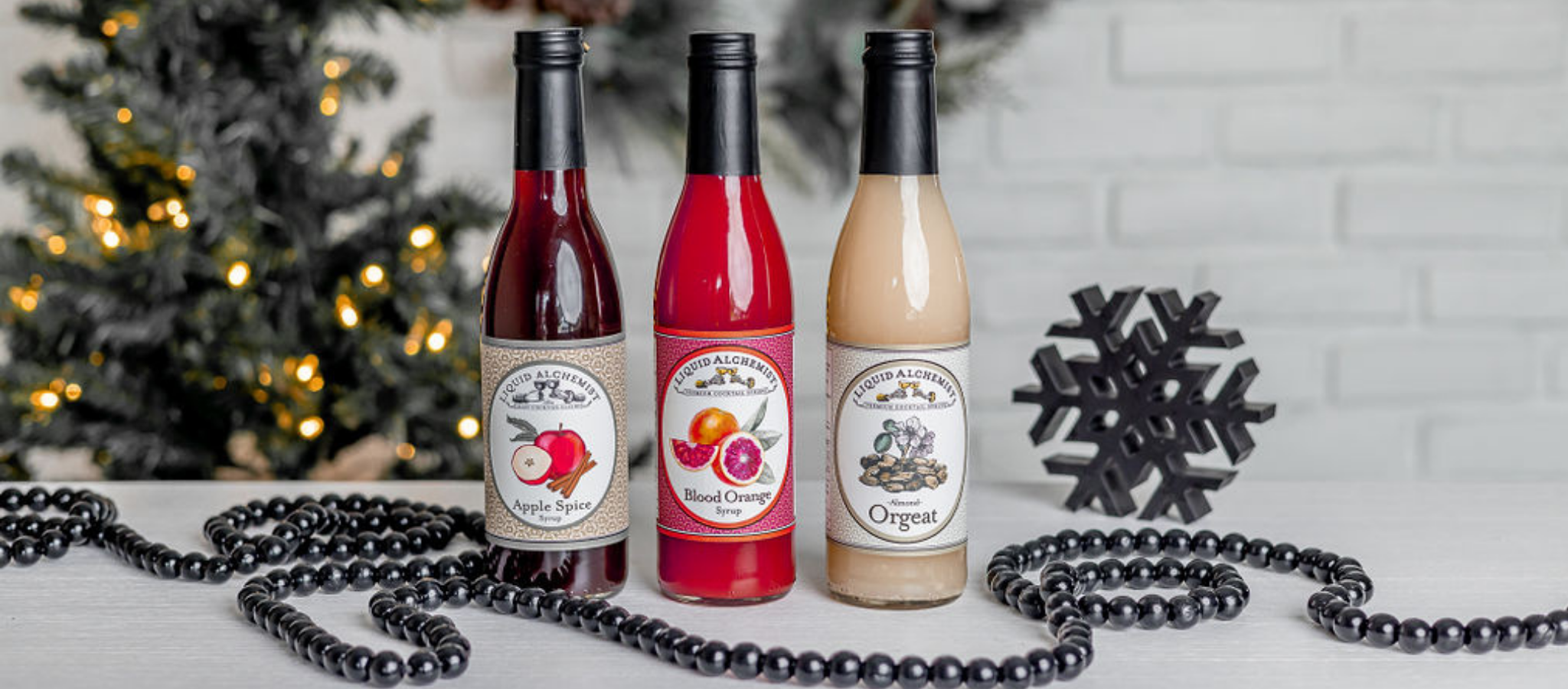
Hurry—our Last Minute Stocking Stuffer Sale is your final chance to get 30% off and free shipping on orders over $35! Order by 12/14 to ensure delivery just in time for Christmas Eve. Don’t miss out on these festive favorites!
Get notified about new articles
Margarita Day Special
25% Off Prickly Pear, Blood Orange, Passion Fruit, Peach, Tamarindo, Strawberry, & Mango February 22 only
Kick off the new year with our Dry January Sale! From 12/27-1/15, enjoy 25% off on all featured flavors in our Dry & Damp Cocktail Guide, perfect for crafting delicious non-alcoholic and low-ABV drinks to help you start the year refreshed and on trend!
CODE: SMBIZ
CODE: BLKFRI