

Hurry—our Last Minute Stocking Stuffer Sale is your final chance to get 30% off and free shipping on orders over $35! Order by 12/14 to ensure delivery just in time for Christmas Eve. Don’t miss out on these festive favorites!

Walk into any craft cocktail bar and you’ll find one thing home bars consistently lack: the right syrups. Not the neon-red grocery store stuff, but real, flavor-forward syrups that make a Whiskey Sour sing and a Mai Tai taste like it was poured on a Honolulu rooftop.
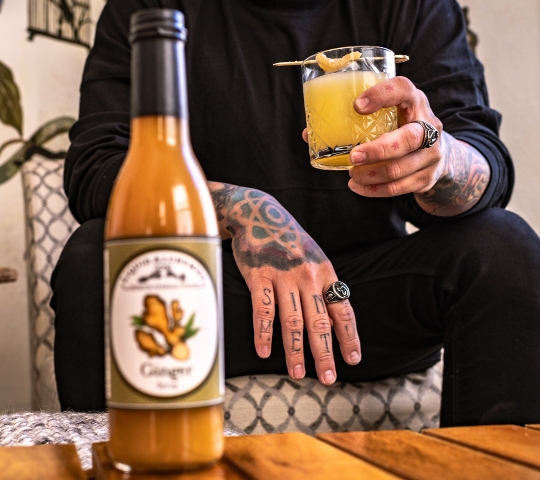
Liquid Alchemist premium cocktail syrups were built for exactly this moment — by a professional bartender who understood that home mixologists deserve the same quality tools as the pros. In this guide, you’ll learn which syrups belong in every home bar, which cocktails they unlock, and how to build your collection with confidence.
Before you start collecting specialty flavors, a handful of foundational syrups will cover the widest range of classic cocktails. Think of these as the base layer of your bar — versatile, essential, and endlessly useful across spirits and styles.
Simple syrup tops the list for good reason. It dissolves instantly in cold drinks, balances citrus, and appears in hundreds of classic recipes from the Daiquiri to the Tom Collins. Real pomegranate grenadine — not the artificially colored variety — adds tart depth to everything from a Tequila Sunrise to a Shirley Temple.
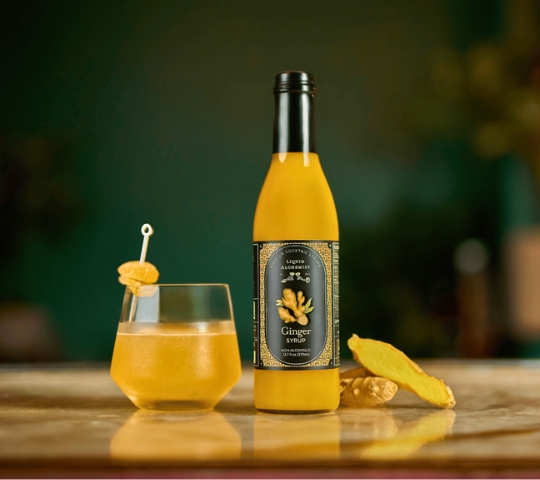
Almond Orgeat is the backbone of tiki classics and a rich addition to whiskey builds — there’s no real substitute for it in a proper Mai Tai. Ginger syrup rounds out the starter shelf with warmth and spice, covering everything from Moscow Mules to cold-weather bourbon cocktails without any muddling required.
Pairing by spirit is the fastest way to build a focused, useful collection rather than a shelf full of bottles you rarely open. Once you know which syrups work with your go-to spirit, the cocktail possibilities multiply quickly.
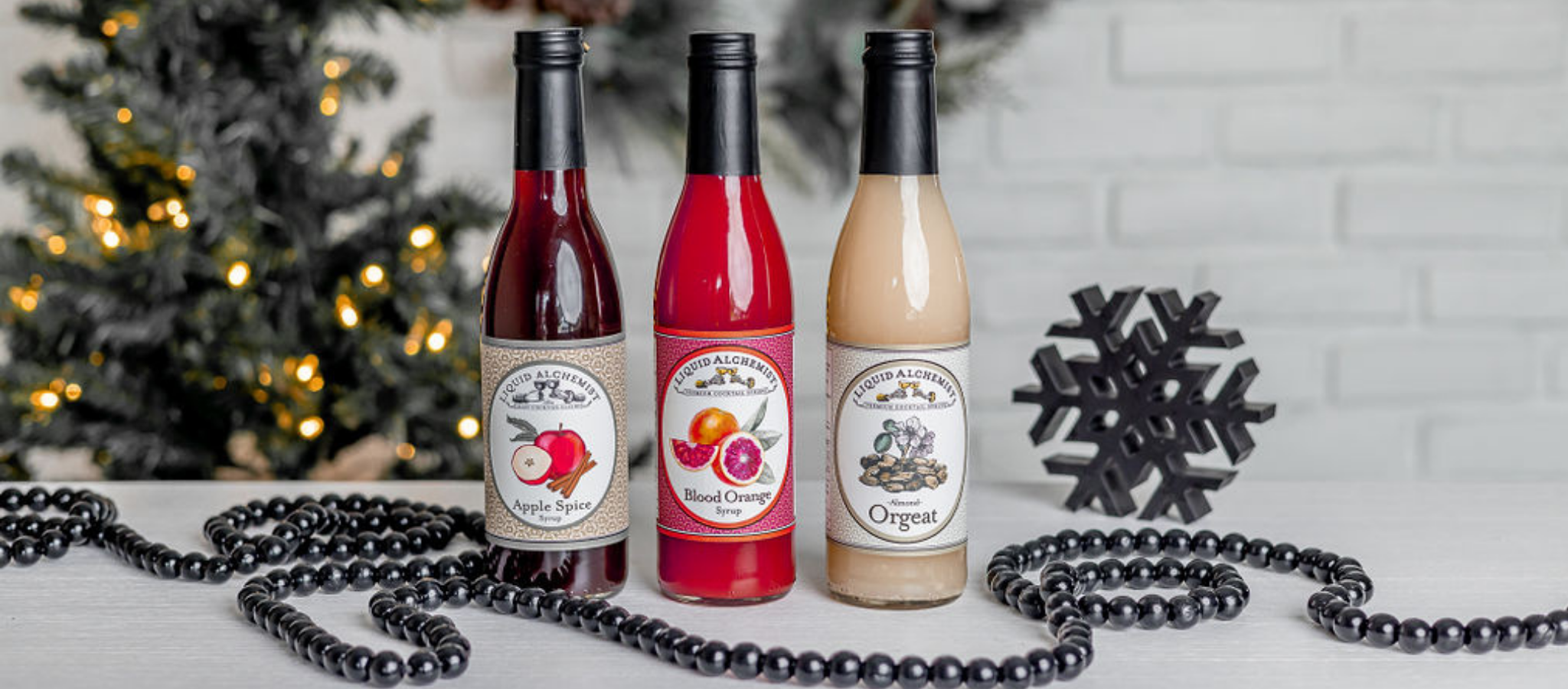
Whiskey and bourbon pair best with warm, spiced sweeteners. The HipStirs Old Fashioned syrup eliminates the sugar cube, bitters, and muddling from the classic recipe while preserving every bit of its depth. Tequila opens up a wider range — Passion Fruit gives margaritas a tropical lift, while Blood Orange creates a naturally vibrant, color-forward riff on the classic.
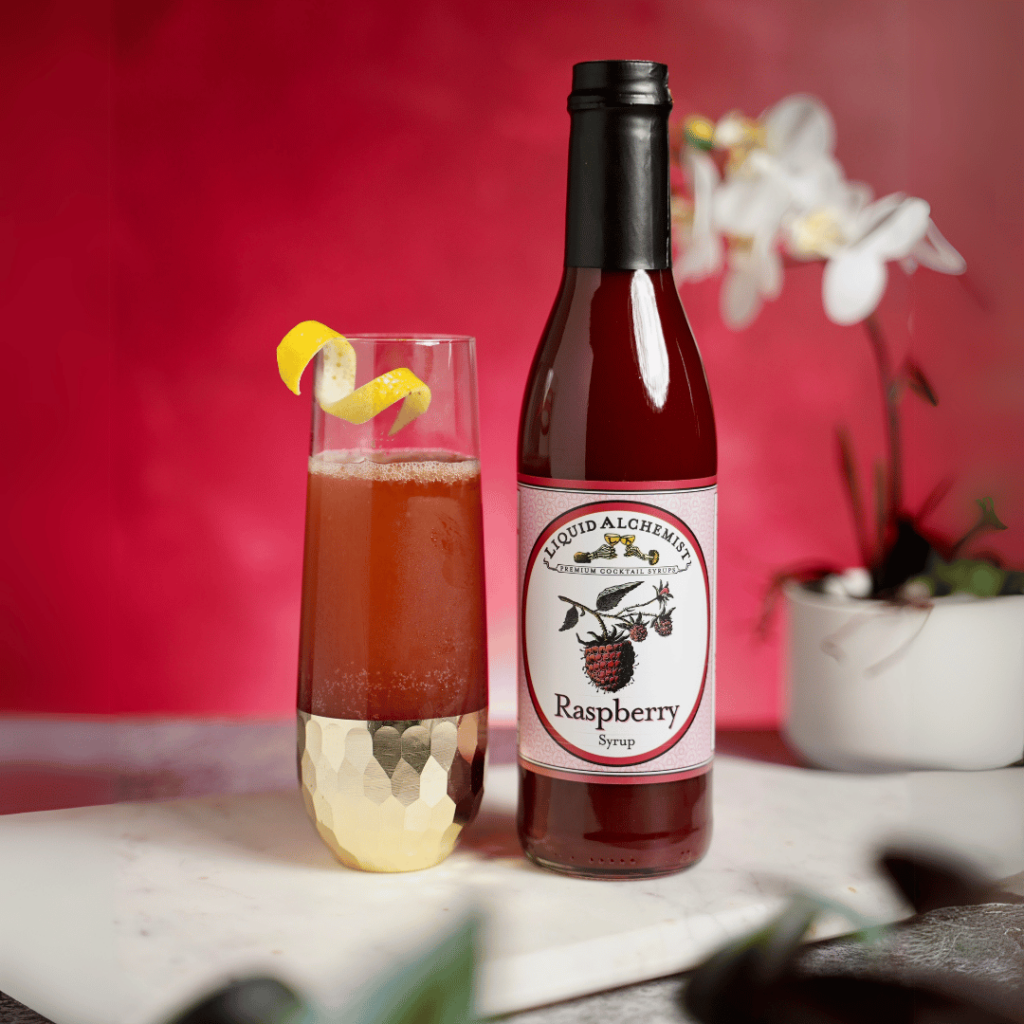
For rum, Almond Orgeat is non-negotiable — a Mai Tai without it is just a rum punch. Coconut syrup layers alongside it beautifully for richer tiki builds. Gin welcomes floral and aromatic syrups like HipStirs Lavender Haze, while Raspberry and Passion Fruit keep vodka cocktails bright and balanced for any crowd.
Commercial syrups frequently rely on high-fructose corn syrup, artificial coloring, and synthetic flavor compounds — producing sweetness that’s flat and one-dimensional. Real cane sugar integrates with citrus and spirit differently, creating a rounder, more cohesive final drink.
Concentration is the other key variable. A “rich” 2:1 syrup (two parts sugar, one part water) means less is needed per drink and the flavor impact is more pronounced. Standard 1:1 syrups are more neutral — useful for dilution and light sweetness, but less complex in spirit-forward cocktails like an Old Fashioned or a Daiquiri.
If you want to explore more techniques and find recipes that match your taste, grab our free cocktail guide — packed with expert insights to take your home bar further. Get the free guide here.
Once the foundational syrups are covered, specialty flavors are where a home bar develops its own character — and starts generating “how did you make this?” reactions from guests.
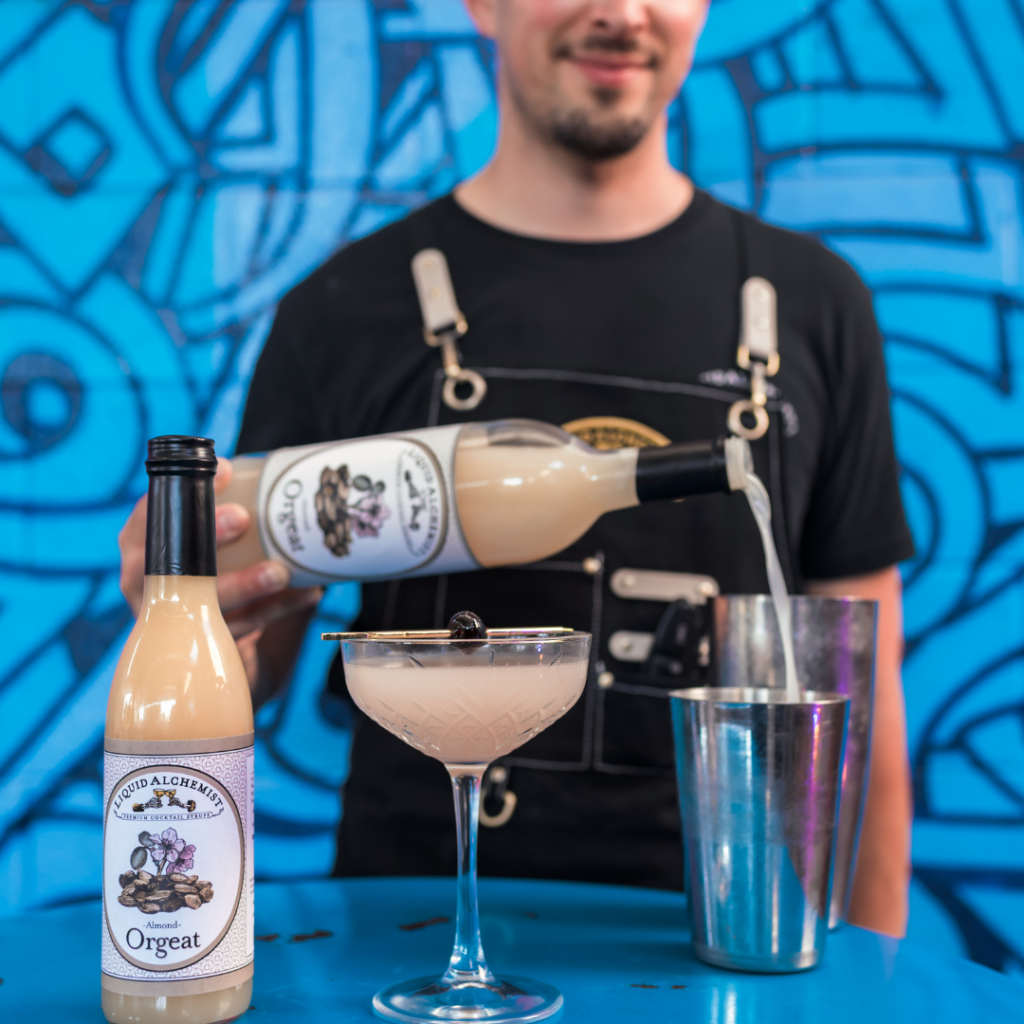
Authentic Almond Orgeat contributes both complex flavor and a silky texture that changes the mouthfeel of any drink it touches. Beyond the Mai Tai, it works beautifully in whiskey sours and espresso cocktails for a nutty, aromatic finish.
Falernum — traditionally spiced with lime, almond, clove, and ginger — is the flavor glue behind Zombie cocktails, Corn ‘n’ Oil, and countless tiki builds. It adds layered complexity that no single ingredient can replicate, and remains one of the most underrepresented syrups in home bartending guides.
The HipStirs specialty line covers syrups tied to a specific mood or season. Cranberry Pie delivers tart, layered depth that goes far beyond standard grenadine in fall and winter cocktails. Blackberry Mint creates drinks that feel simultaneously refreshing and sophisticated, while Pumpkin Spice adds genuine warm-spice complexity — nothing like its commercial counterpart.
Not all cocktail syrups are created equal — and the gap between a premium craft syrup and a mass-market alternative is wider than most home bartenders realize. The table below breaks down the key differences so you can make an informed choice before stocking your bar.
Feature | Premium Craft Syrups | Mass-Market Syrups |
Sweetener | Real cane sugar | High-fructose corn syrup |
Flavoring | Natural fruit & botanical extracts | Artificial flavor compounds |
Color | Derived from real ingredients | Artificial dyes |
Taste | Complex, layered, spirit-integrated | Flat, one-note, often cloying |
Versatility | Cocktails, mocktails, coffee, soda | Limited to basic mixing |
Ingredient List | Short and recognizable | Long with unfamiliar additives |
Dietary | Gluten-free, no artificial additives | Varies; often contains additives |
The difference shows up immediately in the glass. Premium syrups balance sweetness with the natural tartness, bitterness, and complexity of the spirit — rather than overpowering it. For anyone serious about crafting cocktails at home, the ingredient quality in your syrup is just as important as the quality of your spirit.
Simple syrup is genuinely worth making at home — dissolve equal parts sugar and water over low heat, cool, and refrigerate. It lasts two to four weeks, the process takes minutes, and a rich 2:1 or demerara version is just as easy.
Specialty syrups like Almond Orgeat and Falernum are a different story. Authentic orgeat requires blanching almonds, pressing oil, and building an emulsion — most people attempt it once before reconsidering.
Fruit-forward syrups (Passion Fruit, Blood Orange, Raspberry) are equally time-consuming, and fresh fruit variability means inconsistent results batch-to-batch. When consistency matters, a quality store-bought syrup is always the smarter call.
Refrigerate all opened syrups after first use. Most premium cocktail syrups last four to six months refrigerated; simpler syrups without preservatives are closer to four to six weeks. Trust your nose — any fermented or sharp smell means it’s time to replace the bottle.
Unopened syrups stored in a cool, dark spot hold well for twelve months or longer. Keep them away from heat sources and direct sunlight, which accelerate both flavor and color breakdown over time.
The best home bar isn’t the one with the most bottles — it’s the one stocked with syrups you’ll actually reach for. Start with the foundational four, add a specialty syrup that fits your favorite spirit, and let the collection grow with purpose.
Use code TRYUS at checkout for 25% off plus free shipping on your first Liquid Alchemist order. The Tiki Cocktail Syrup Gift Set is a natural next step for anyone ready to explore the full depth of a well-stocked syrup shelf.
Start with simple syrup, real pomegranate grenadine, Almond Orgeat, and Ginger syrup. These four cover a wide range of classic cocktails across all spirit categories before you move into specialty flavors.
Look for real cane sugar as the primary sweetener, natural fruit or botanical extracts, and no high-fructose corn syrup or artificial coloring. A short, recognizable ingredient list is usually a reliable signal of quality.
The ratio refers to sugar to water. A 1:1 syrup is standard sweetness for neutral applications, while a 2:1 “rich” syrup is more concentrated — you use less per drink and get more pronounced body, which works especially well in spirit-forward cocktails.
Absolutely. The same Passion Fruit or Ginger syrup that elevates a cocktail creates equally sophisticated non-alcoholic drinks when paired with sparkling water, fresh citrus, or cold brew. No separate mocktail purchases needed.
Most premium syrups last four to six months refrigerated after opening. Simpler syrups without preservatives are closer to four to six weeks. Always refrigerate after opening and check for off aromas before use.
Significantly. Real cane sugar integrates with citrus and spirit differently than corn syrup alternatives, producing a rounder, more cohesive drink. Authentic extracts add genuine depth that artificial versions simply can’t replicate.
Almond Orgeat. Authentic orgeat requires blanching almonds, pressing out the oil, and emulsifying correctly — which is why most professional bartenders source it rather than make it from scratch.

Hurry—our Last Minute Stocking Stuffer Sale is your final chance to get 30% off and free shipping on orders over $35! Order by 12/14 to ensure delivery just in time for Christmas Eve. Don’t miss out on these festive favorites!
Get notified about new articles
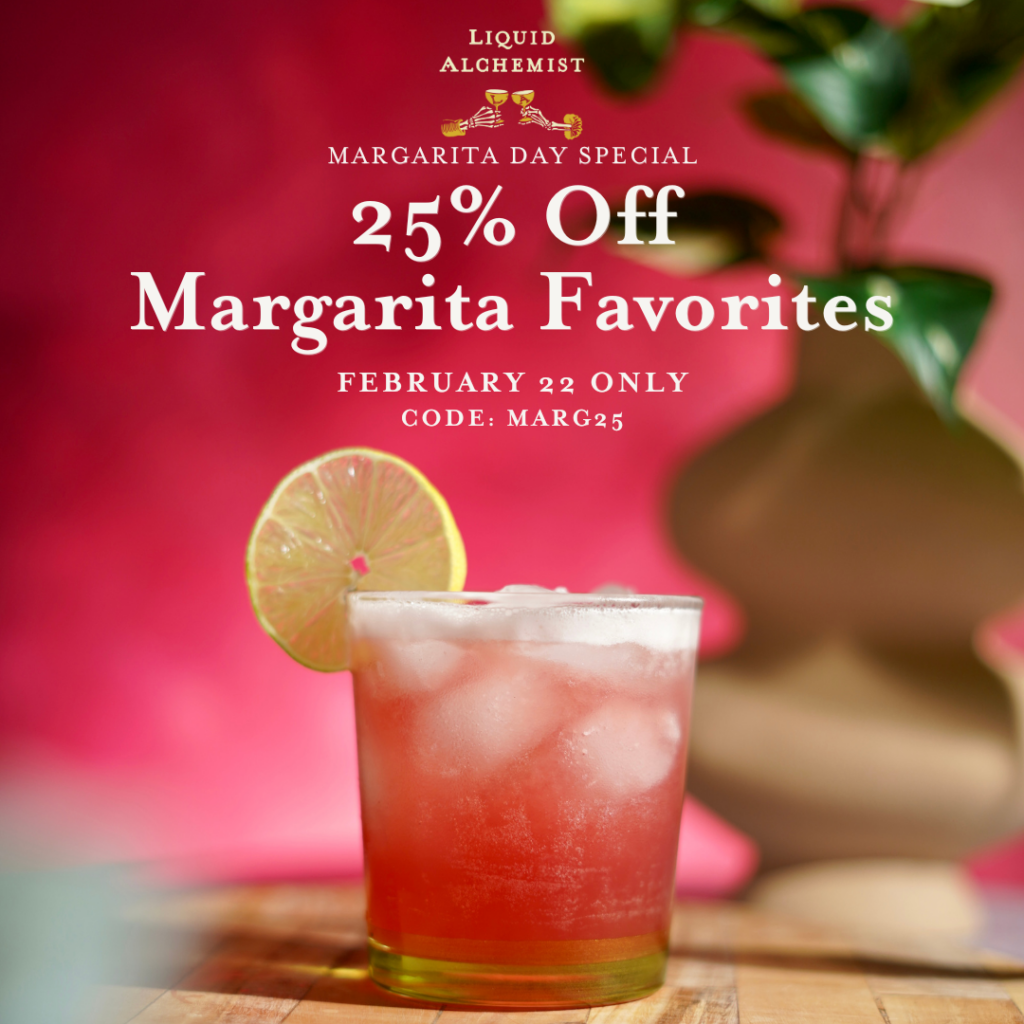
Margarita Day Special
25% Off Prickly Pear, Blood Orange, Passion Fruit, Peach, Tamarindo, Strawberry, & Mango February 22 only
Kick off the new year with our Dry January Sale! From 12/27-1/15, enjoy 25% off on all featured flavors in our Dry & Damp Cocktail Guide, perfect for crafting delicious non-alcoholic and low-ABV drinks to help you start the year refreshed and on trend!
CODE: SMBIZ
CODE: BLKFRI